What makes a built-in repair here its own job
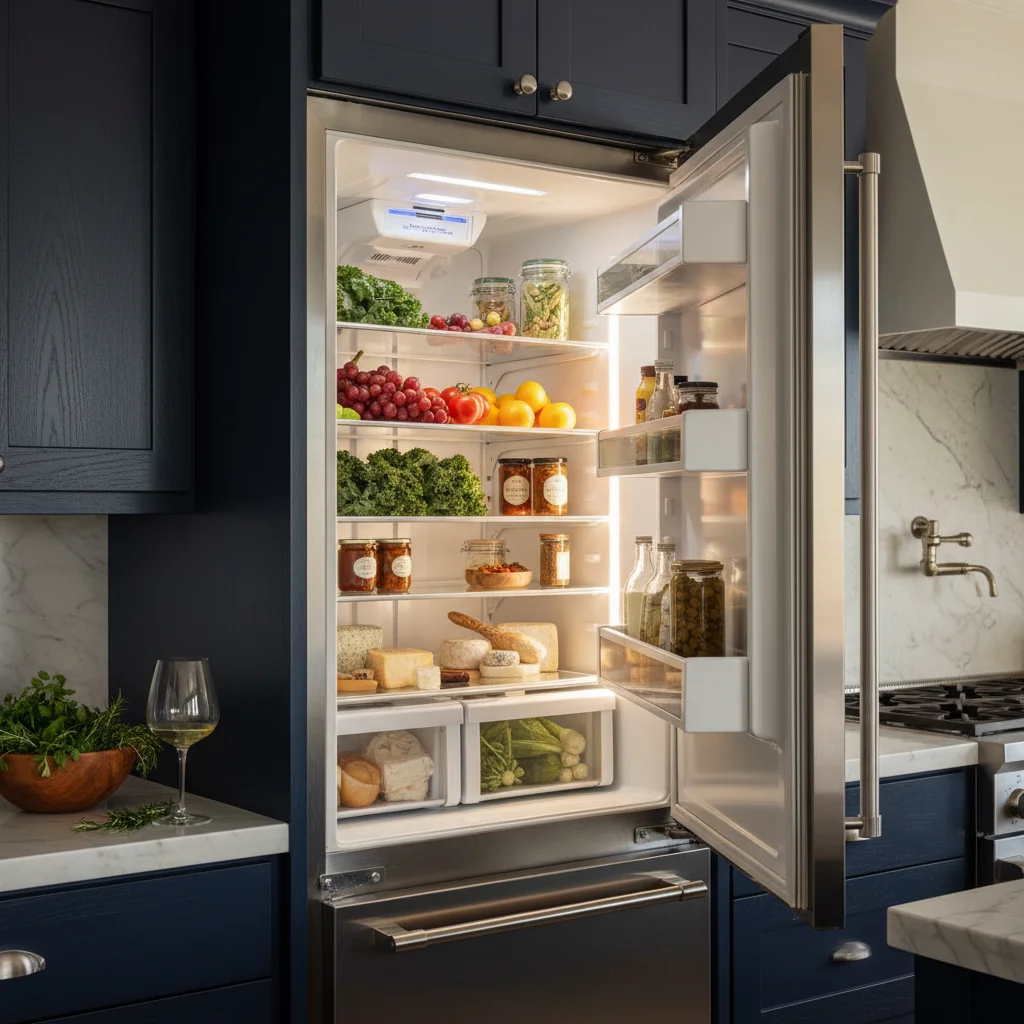
A freestanding fridge is a single box you can roll out, unplug, and swap at a big-box store. The refrigeration going into University Hills kitchens is nothing like that. Drive the streets between Yale and Hampden and you find low brick ranches from the postwar boom, most with galley kitchens that have since been gutted and rebuilt around a built-in column, a panel-ready drawer, or an under-counter unit framed permanently into cabinetry. Fixing one of those is less about replacing an appliance and more about reading how a current, expensive system was fitted into a house designed in 1955 for something far simpler. That gap is where the interesting faults live.
Symptoms we trace most often on these blocks
A warming fridge has many possible causes, and they carry very different price tags. The common ones in remodeled University Hills ranches:
- A column slowly drifting warm — typically a dust-choked condenser, a stalled condenser or evaporator fan, a tired start relay, or a sealed-system fault. In a tight retrofit, restricted airflow is the first suspect.
- A compressor that never cycles off — often a clogged coil, a weak fan, or a door gasket that no longer seals in Denver’s dry air.
- Frost building on the freezer’s back wall — usually a defrost heater, defrost sensor, or control board mistiming the cycle.
- Cloudy, shrinking, or jamming ice — nearly always hard-water scale in the fill tube and inlet valve.
- Water pooling under the unit — a frozen or blocked defrost drain, or a cracked supply line.
Why this rewards a specialist, not a handyman
The condenser placement alone can sink a generic fix. In a clean factory install the grille and service access are obvious; in a University Hills retrofit they may be boxed in by added cabinetry or pushed against a wall, where they quietly collect dust and lose efficiency before anyone notices. A technician who reads the install as carefully as the appliance plans the pull, protects the remodel, and gets the right part in on the first trip, so a built-in is not opened twice.
What a visit looks like
- Identify the exact model and serial. Specs, parts, and procedure all flow from this, and on a retrofitted built-in it is not always obvious at a glance.
- Separate symptom from cause. “It’s warm” is a complaint; a stalled fan, a leaking circuit, or a worn relay are different repairs.
- Map the install and airflow. We check clearances and how the unit sits before anything moves.
- Test the sealed system and electrical parts under load — compressor, fans, defrost components, and control board, read the way they behave at altitude.
- Inspect the water path and gaskets for scale and dry-climate hardening.
- Explain the fault and quote it up front.
Pricing
The diagnostic service call is $89 and is credited toward the repair if you go ahead. You get a firm, complete price before any work starts, with nothing tacked on at the end. Denver’s mile-high altitude shapes the diagnosis: thinner air rejects roughly 15% less heat, so charge and clearances matter more here than any sea-level manual assumes.
Common questions before you call
A refrigerator problem rarely waits for a convenient hour, which is why the phone at (720) 770-4189 is answered 24/7. Repairs run daily, 8:00 AM to 6:00 PM, and we’ve served the Denver metro since 2012, including plenty of University Hills ranches upgraded to premium refrigeration near DU and the Highline Canal. If your fridge is warming, call the moment you notice, food only gets more expensive the longer it waits.
Ready to get a built-in fridge back in service? Call (720) 770-4189 or book online today for a same-day or next-day visit anywhere in University Hills.