Wine Cooler Repair in LoDo, Denver

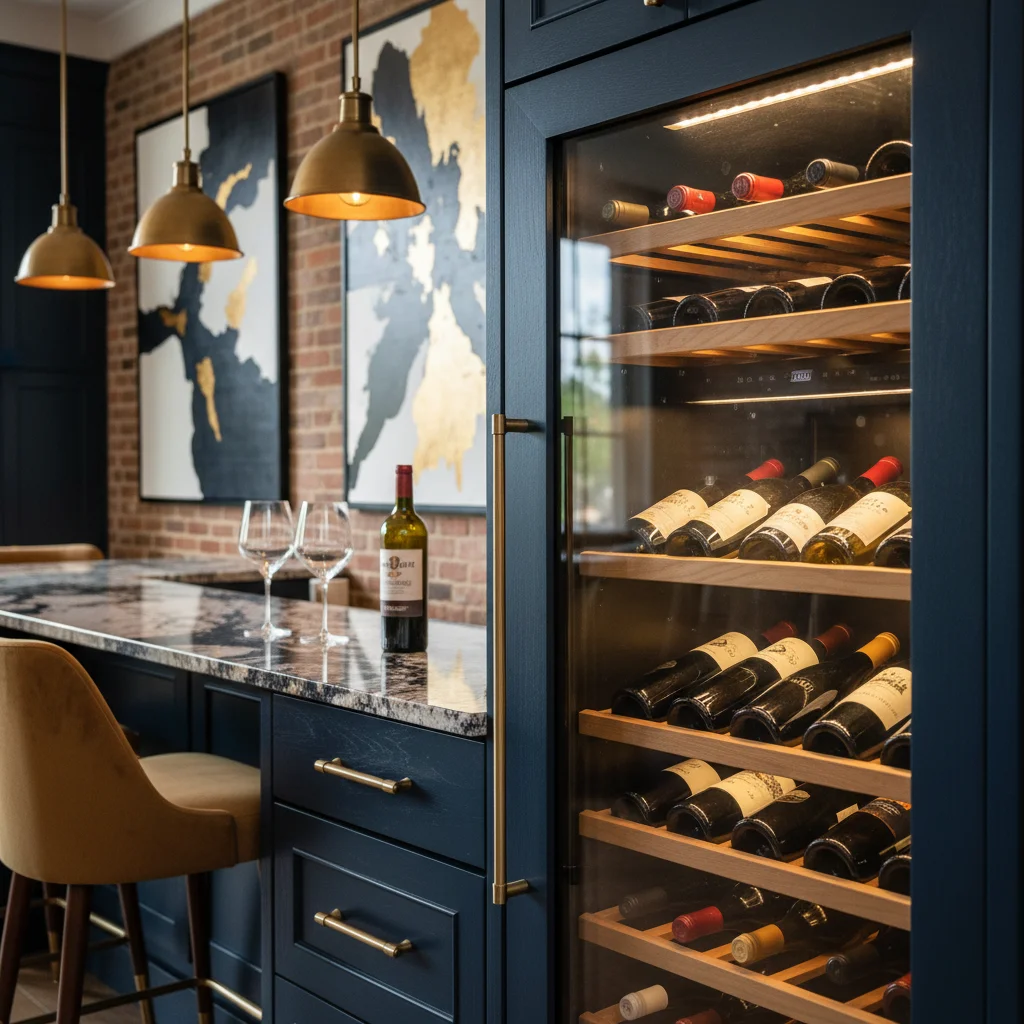
In LoDo's brick-and-timber lofts, the wine unit is usually built into the cabinetry like a piece of furniture. We open it carefully, find out why it stopped holding cellar temperature, and tell you the price before any work starts.

Wine Cooler Repair in LoDo, Denver

Quick Answers

Where in LoDo do you repair wine coolers?
Denver Sub-Zero Repair is an independent shop covering Lower Downtown end to end — the loft conversions off Wynkoop and Wazee, the newer buildings ringing Union Station, and the Larimer and Market Street blocks. We handle integrated wine columns, dual-zone cabinets, and undercounter drawers. Reach us at (720) 770-4189, answered around the clock, with same-day or next-day appointments usually open.
Is it worth fixing a built-in wine cooler in a LoDo loft, or should I replace it?
Replacing a panel-ready, flush-mounted column in a custom LoDo kitchen often means re-cutting joinery and matching reclaimed wood — far more disruptive than the repair itself. Most warm-running or noisy coolers come down to a fan, a sensor, a board, or a gasket, all serviceable in place. The $89 diagnostic tells you exactly which it is before you decide.
What does wine cooler repair cost in LoDo?
Every visit starts with a flat $89 service call that goes toward the repair once you approve it. The repair price itself is quoted only after a technician inspects the unit on site, since a sealed-system column and a thermoelectric drawer have nothing in common under the skin. Whatever you approve up front is what you pay.

Picture a fourth-floor loft off Wazee: exposed brick, a steel staircase, and a wine column built so cleanly into the cabinetry you would never call it an appliance. Then the bottles behind that flush door start feeling a touch warm, the readout creeps from 55 to 61, and the slow-motion problem begins. We come out, read what the cabinet is actually doing, and give you a fixed price before a single screw turns.

What goes wrong with these coolers

Across Lower Downtown’s warehouse conversions and the buildings around Union Station, a familiar set of complaints keeps coming through:

  • The set point won’t hold, or a dual-zone cabinet chills one compartment while the other drifts warm.
  • A new whine, click, or vibration humming through century-old floor joists in a kitchen that used to be dead quiet.
  • Moisture beading down the glass, frost crusting the back wall, or a small puddle collecting under the unit.
  • A thermoelectric drawer that lights up and hums but never actually pulls down to cellar temperature.
  • Lights and display behave normally, yet the cooling never starts — or it short-cycles and gives up before reaching target.

What makes LoDo distinct is the joinery. Almost no wine unit here stands free against a wall; it is slotted into reclaimed millwork, slid under a quartz island, or wedged into a footprint laid out before anyone thought about how the condenser would breathe. So when a cooler runs warm, there are really two suspects: the part that failed, and the tight cabinet quietly choking it.

Inspection first, then an honest number

We don’t guess and we don’t quote over the phone. On site, a technician verifies the true cabinet temperature against the set point to rule out a lying sensor, then studies the install itself — grille clearance, the air path around a flush-paneled column, what little ventilation a closed loft cabinet really offers. From there we load-test the sealed system or the thermoelectric stage, check dampers and circulation fans zone by zone, and examine the gasket and any humidity line.

The $89 service call covers that entire diagnosis and rolls straight into the repair total once you say go. The price you approve is the price on the invoice — nothing padded after the fact.

Why Denver’s climate is part of the story

At a mile high the atmosphere is roughly 15 percent thinner, and thin air is poor at carrying heat away from a condenser. In an open kitchen that shortfall hides; in a column buried in salvaged timber or a drawer crammed under a LoDo island, it can be the line between a steady 55 and a slow climb out of range. The same dry climate stiffens door gaskets early — the root of most frost and sweating-glass calls — while UV through those big warehouse windows speeds the wear. And Denver’s hard water, around 150 to 250 ppm, leaves scale in any line feeding a humidity-controlled cabinet. We factor all three in from the first reading.

Other repairs we cover in the building

Because these kitchens are built as a suite, we rarely fix just one thing. Same trip, we handle built-in refrigerator columns, undercounter refrigerator drawers, ice makers fouled by hard-water scale, and high-altitude pro ranges where thin air shifts gas combustion and orifice behavior. Tell us what else needs a look.

Get a LoDo technician out

Repairs run every day from 8:00 AM to 6:00 PM, and the phone is answered 24/7, so a same-day or next-day slot is usually there for the taking. Call (720) 770-4189 or book online whenever it suits you. The $89 service call sends a technician to your Union Station or Wynkoop loft, pins down the real fault, and credits straight to the repair the moment you approve it.

Frequently Asked Questions

Can you protect the reclaimed brick and timber when you pull the unit forward?

Yes, and it is the first thing we plan. LoDo conversions were detailed so the wine cabinet disappears into the millwork, so we locate the hidden service panel, lay down protection over exposed brick and salvaged wood, and ease the unit out on its rails rather than forcing it past a tight reveal.

My loft has fob entry and a freight elevator — is that a problem?

Not at all. Secured lobbies, freight elevators, and loading-dock access are standard across LoDo's converted blocks, and we work them constantly. Share the building's entry routine when you book so we stage the right tools and common parts for a single trip up.

The top zone of my dual-zone cooler is fine but the bottom is warm. What causes that?

Each compartment runs on its own sensor, damper, and airflow, so one can fail while the other holds perfectly. A warm lower zone is often a clogged or stuck damper, a drifting thermistor, or a stalled circulation fan. We test the zones independently before pointing to a cause.

Why does my LoDo wine cooler sweat and frost up inside?

Denver's bone-dry air shrinks and hardens door gaskets faster than damp climates do, and a seal that has lost its grip lets warm loft air slip onto the cold glass and coils. That moisture condenses, frosts the evaporator, and makes the compressor run longer. Tall west-facing warehouse windows add intense high-altitude UV that bakes a tired gasket even harder.

My undercounter drawer hums but never gets cold — can you fix it?

Usually, yes. A lot of the slim drawers tucked beneath LoDo's stone islands are thermoelectric, not compressor-driven, and at 5,280 feet their heat sinks struggle to dump warmth inside a sealed cabinet. We confirm whether the cooling stage even engages, then check the module, the fan, the vent path, and any humidity line the city's hard water may have scaled.

Do you also work on the other built-in appliances in the same kitchen?

Yes. A LoDo wine cabinet almost always sits beside a built-in refrigerator column, an ice maker, or a pro range, and one appointment can cover more than the cooler. Just mention what else is acting up when you call and we will bring parts for it.

Does the $89 really come off the repair bill?

It does. The $89 pays for a complete on-site diagnosis, and the moment you approve the repair that amount is subtracted from the total. You get a firm number before anything is opened up, with no new charges appearing later.

Your Sub-Zero Deserves Better

Denver's experienced independent repair specialists are standing by. Same-day appointments available throughout the metro area.