What we cover in LoDo
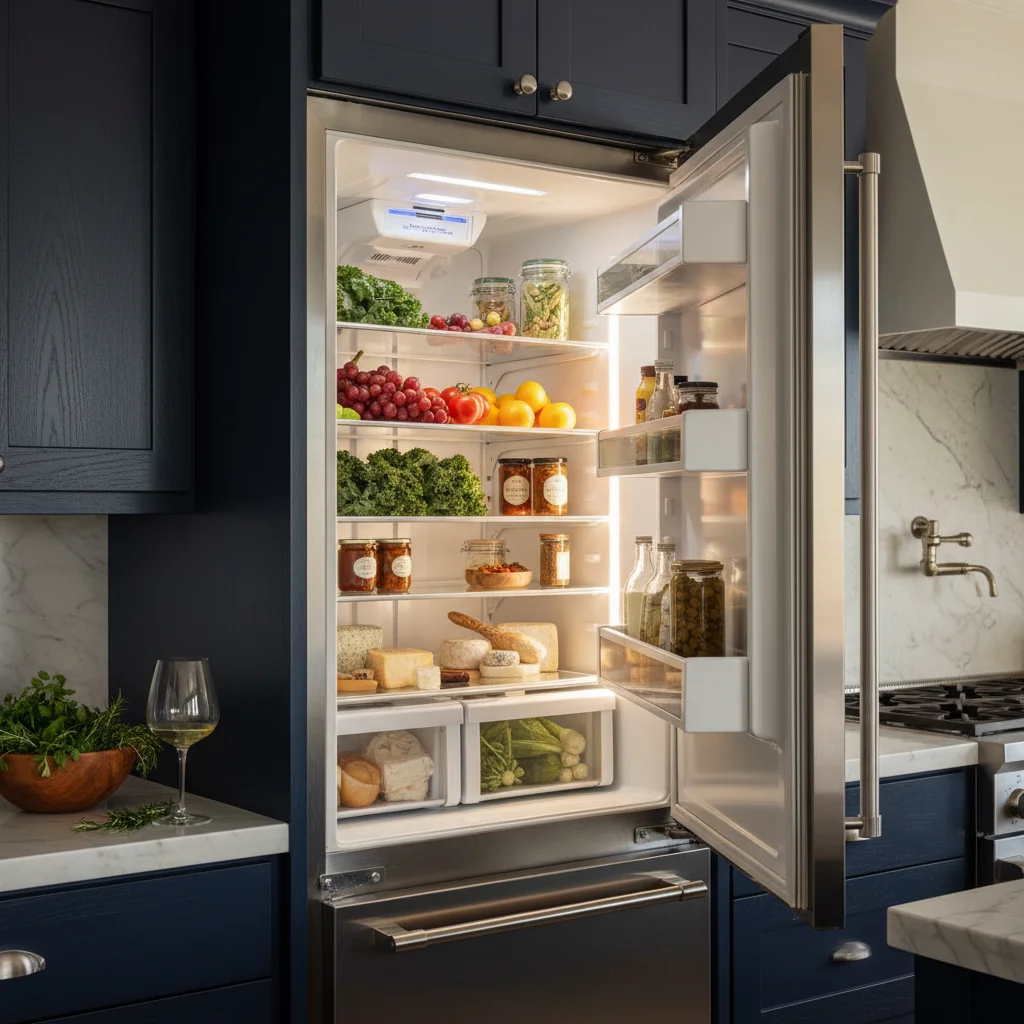
Lower Downtown is a neighborhood of second lives. The brick-and-heavy-timber warehouses along Wynkoop, Blake, and Wazee that once held produce and rail freight are now lofts, and their kitchens were designed to look effortless — exposed brick, reclaimed beams, and a refrigerator you can barely see. That last part is the catch. Most LoDo fridges are integrated panel-ready columns or undercounter drawers, set flush into custom millwork so they disappear into the cabinetry near Union Station and Coors Field. Beautiful to live with, unforgiving when something drifts warm, because there is almost no clearance to vent heat and even less room to work.
When the temperature slips, the right move is to find the actual cause before anything is pulled apart. We measure real fresh-food and freezer temperatures, read how the unit sits in its cabinet, and quote a firm price before work begins. Call (720) 770-4189 and we’ll get a technician to your loft, often the same day.
Faults we see most in these lofts
The way a fridge is built into LoDo cabinetry shapes how it fails. A single symptom can point in several directions:
- Fresh food warming while the freezer holds — usually a dust-clogged condenser, a stalled evaporator fan, or a tired start relay before it’s ever a refrigerant fault. In a flush-fit integrated unit, blocked airflow is the first thing we rule out.
- A compressor that never cycles off while the cabinet runs warm to the touch — trapped heat in a boxed-in install, a weak fan, or a hardened gasket.
- Frost stacking on the freezer’s back wall — a defrost heater, defrost sensor, or a control board mistiming the cycle.
- Cloudy, hollow, or shrinking ice — hard-water scale in the line and inlet valve.
- Water pooling under a drawer or behind a panel — a clogged defrost drain, which on an upper-floor loft can quietly reach the subfloor.
How the diagnosis works
We don’t guess at a part and hope. A technician measures both compartments, inspects the condenser and fans, checks door seal and panel alignment, and reads the sealed system before naming a single cause. On an undercounter drawer or a panel-ready column, we pull the unit forward only as far as reaching the compressor actually requires, then refit it square so the door line still matches the kitchen. You hear the real fault in plain language and get the full price before any work starts.
The altitude and water angle
Three local conditions drive these failures. At LoDo’s mile-high elevation the air is roughly 15% thinner, so condensers and fans shed heat less efficiently — a lightly dusty coil behind a flush custom front in a tight loft kitchen warms up sooner than it would at sea level, and it changes how a sealed system should be charged. Denver’s hard water, commonly 150 to 250 ppm, scales the thin lines feeding built-in ice makers and beverage centers fast. And the dry, high-UV climate hardens door gaskets early, so cold leaks and the compressor overworks. We’ve folded all three into every diagnosis since 2012.
Brands and related repairs
We work on integrated columns, French-door and side-by-side fridges, undercounter and beverage drawers, and the wine centers common in these open-plan kitchens. If your refrigerator shares a matched suite with a built-in freezer, ice maker, or wine cooler, we can look at those on the same visit. As an independent shop, we service the equipment without any manufacturer affiliation.
Book a LoDo visit
- Call (720) 770-4189 (answered 24/7) or book online anytime.
- Tell us the building, floor, and what the fridge is doing so we can plan dock and elevator access.
- A technician arrives — repairs run daily, 8:00 AM to 6:00 PM — finds the real cause, and quotes it up front.
The $89 service call covers the full diagnosis and credits toward the repair, so the inspection is never money lost. Call now and we’ll get your LoDo refrigerator sorted, with the price settled before a single part comes off.