Wine Cooler Repair in Washington Park, Denver

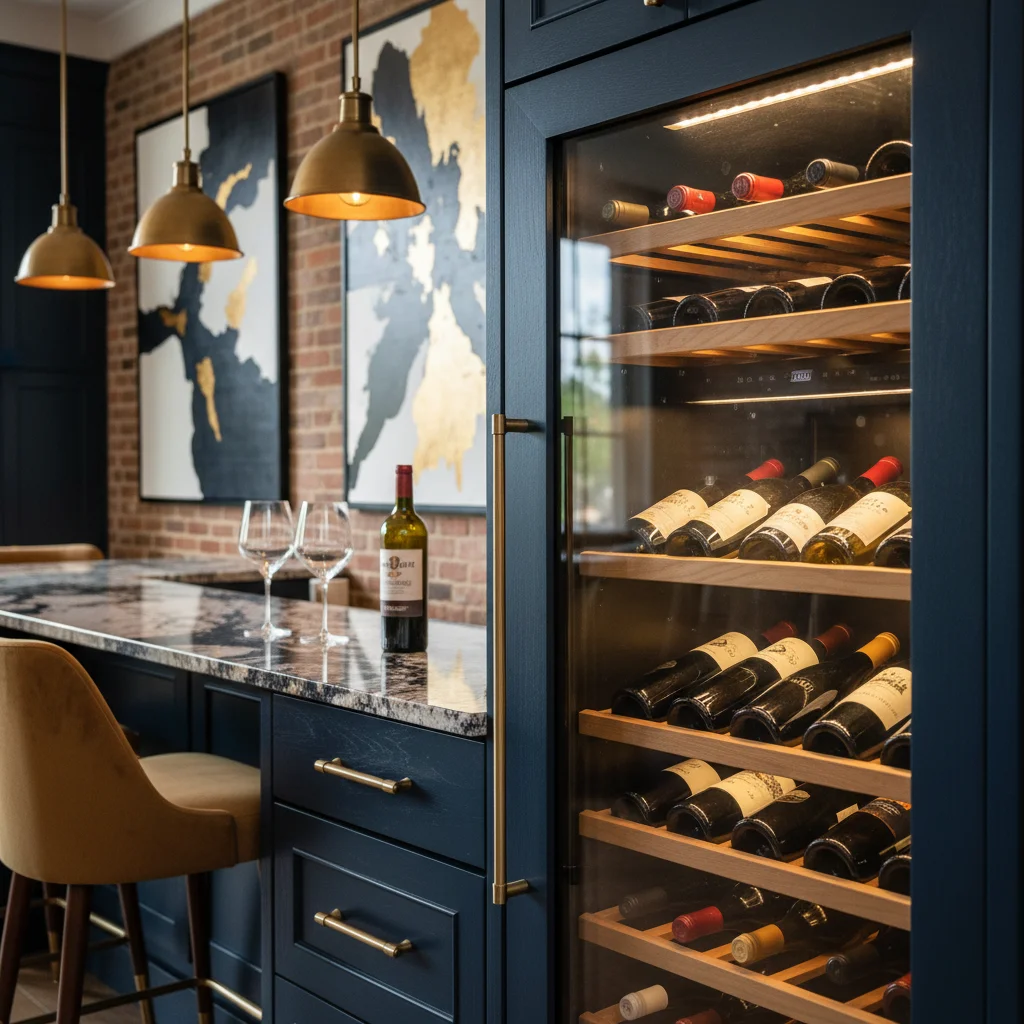
Built-in, column, and under-counter wine cooler repair for the remodeled bungalows and Denver Squares around Wash Park — the kitchens where a Sub-Zero column and a Wolf range usually share a wall. We diagnose the sealed system, the cabinet install, and Denver's mile-high air as one problem, then quote a real price.

Wine Cooler Repair in Washington Park, Denver

Quick Answers

Who repairs wine coolers in Washington Park, Denver?
Denver Sub-Zero Repair is an independent service covering all of Washington Park, from the bungalow blocks east of the park to the Denver Squares along Marion and Gilpin. We handle built-in wine columns, integrated under-counter units, and freestanding coolers, single- and dual-zone. Call (720) 770-4189 — the line is answered 24/7 and most visits land same-day or next-day.
Why does my wine column run warm in a remodeled Wash Park kitchen?
In a gut-renovated Wash Park bungalow, the wine column is usually panel-ready and boxed flush into custom millwork, so its condenser has little room to shed heat. Add Denver's 5,280-foot elevation, where thinner air carries off roughly 15% less heat, and a unit rated for 55°F can drift into the 60s. We diagnose the cabinet airflow and the sealed system together, not in isolation.
How much does wine cooler repair cost in Washington Park?
The on-site diagnostic is $89, credited toward the repair if you proceed. We quote the exact repair price only after inspecting the unit, since a compressor-based built-in column and a thermoelectric under-counter cooler fail in completely different ways. Nothing is added after the quote.

A wine cooler isn’t a small refrigerator, and treating it like one is how a rack of good bottles gets quietly ruined. It holds a tight band of temperature and humidity on purpose, so the failures are subtler — a two-degree drift that a kitchen fridge would shrug off can flatten the aromatics in a cellar red within a week. In a Wash Park remodel, the cooler is also wired into the look of the room, set flush beside the Sub-Zero column and the Wolf range, which means a repair has to respect the cabinetry as much as the compressor. That combination is exactly why this is specialist work, not a generic appliance call.

The repair, explained

Around Washington Park, the wine units we open are rarely freestanding boxes. They’re integrated columns and under-counter drawers built into gut-renovated bungalows and brick Denver Squares — homes framed a century ago for an icebox, now carrying a 21st-century cooling suite. The cooler shares a cabinet run with the refrigerator and sits in a kitchen that was never designed around its ventilation. So the “repair” is really two questions at once: what failed inside the unit, and what is the install doing to it.

Symptoms & causes

The complaints from Wash Park bottle storage tend to cluster:

  • The cabinet won’t hold its set point, or one zone of a dual-zone runs warm while the other stays right.
  • A new hum, rattle, or vibration that resonates through the surrounding millwork.
  • Frost or condensation forming inside, or water pooling at the base.
  • Lights and display work, but the cooling never engages.
  • Short-cycling — the unit clicks on and off without ever pulling temperature down.

At 5,280 feet the air is about 15% thinner, so every condenser sheds less heat than its maker assumed. In an open kitchen that margin hides; in a column boxed into custom cabinetry with an inch of breathing room, it’s the gap between steady storage and a slow climb out of range. Denver’s dry air hardens door gaskets early, which drives the frost and sweating, and on water-fed models the hard local supply (roughly 150–250 ppm) leaves scale worth checking.

Why a specialist

A handyman can swap a part. The harder skill is reading whether a “broken” cooler is actually starved for airflow inside a tight remodel, or whether the sealed system is genuinely failing — and reaching it without scarring the finished cabinetry someone just paid to install. We’ve serviced Denver metro kitchens since 2012, and we plan access around the millwork before we touch a tool.

What a visit looks like

  1. We read the install first — checking whether a too-tight alcove or a blocked front grille is choking the condenser before blaming a board.
  2. We test it running: actual zone temperatures, stored fault codes, then the compressor, condenser and evaporator fans, thermostat, thermistors, and control board under load. For thermoelectric under-counter units, we test the Peltier stack instead.
  3. We trace the sealed system and the door seal, since leaks surface faster in thin air and a dry-climate gasket is the most overlooked cause of a warm cooler.
  4. We explain the cause in plain language and quote a firm price before any work begins.

Pricing

The on-site diagnostic is $89, and it’s credited toward the repair if you go ahead. We quote the exact repair only after inspecting the unit — no figures invented over the phone, no add-ons after the quote.

Questions we hear most

Will you disturb my new kitchen? No. We protect cabinetry and floors and route service access through the existing openings.

Can you fix the Wolf range while you’re here? Yes — the column and the range are usually a matched pair, and we service both.

How soon can you come? Repairs run daily 8:00 AM–6:00 PM and the phone is answered 24/7, so same-day or next-day slots are usually open.

Call (720) 770-4189 or book online anytime. The $89 diagnostic gets a technician to your Wash Park door, finds the real cause, and goes straight toward the repair once you approve it.

Frequently Asked Questions

Do you service the built-in wine columns common in Wash Park remodels?

Yes — that integrated, panel-ready column is the most common install we see here. When owners gut-renovate a Denver Square or a 1920s bungalow, the wine storage is usually set flush into cabinetry next to a Sub-Zero refrigerator, with its condenser and service access hidden behind custom millwork. We plan that access carefully and protect the finished cabinetry and floors while we work.

Can you reach a unit that's tucked under a counter or into an island?

Yes. Under-counter coolers and island-set units are routine in these kitchens. We only ask that the surrounding cabinet faces can be opened or that we have clearance to pull the unit forward; in most Wash Park installs there's a serviceable path once you know where to look.

My wine cooler hums and buzzes against the cabinet — should I worry?

It can matter. Compressor-based coolers vibrate, and in a built-in column that buzz transmits straight into the surrounding millwork and amplifies in a quiet remodeled kitchen. Sometimes it's worn isolation feet or a loose fan; sometimes it's a compressor or condenser fan beginning to fail. We test it running, under load, instead of guessing from the sound.

Why does the inside frost over or sweat?

Denver's very dry climate hardens and shrinks door gaskets faster than humid regions, and a seal that no longer grips lets warm room air leak onto cold glass. That moisture frosts the evaporator and makes the compressor run nonstop. On glass-door units near a south-facing Wash Park window, strong high-altitude UV and heat gain make a tired gasket show its age even sooner.

Do you use genuine parts?

We fit OEM-grade and manufacturer-compatible parts from verified suppliers, matched to your exact model. For the components that decide long-term reliability — compressors, fan motors, thermostats, control boards, and door seals — we use parts spec'd to your cooler, not generic substitutes.

Is the $89 service call really applied to the repair?

Yes. The $89 covers a full on-site diagnosis, and if you approve the work that amount comes off the final price. You get an up-front quote before anything is taken apart.

Your Sub-Zero Deserves Better

Denver's experienced independent repair specialists are standing by. Same-day appointments available throughout the metro area.