The quiet cost of putting it off
A built-in Sub-Zero rarely dies all at once. It drifts. The fresh-food side creeps a few degrees warm over a week, the compressor starts running longer between cycles, and because the cabinet still feels cold to the hand, the whole thing gets ignored until the milk turns or the ice maker quits. By then a small fault — a clogged condenser, a tired fan motor, a seal that stopped sealing — has had time to make the compressor labor for days on end, and what could have been a modest repair has put real strain on the most expensive component in the unit.
That delay carries a particular sting in a Lone Tree kitchen. The refrigeration here isn’t a $600 box you shrug off and replace; it’s a built-in column integrated into custom cabinetry, and a wine cabinet downstairs might be holding a collection that doesn’t forgive a warm weekend. Waiting doesn’t save money on equipment like this. It quietly raises the bill.
The fix is straightforward: catch the fault early and diagnose it properly. Call us the day you notice something off, and we’ll pin down what’s actually wrong before it cascades. The phone at (720) 770-4189 is answered 24/7, and the $89 diagnostic service call is credited toward the repair if you move ahead. The rest of this page is about how we read these appliances — and why Lone Tree, specifically, is built the way it is.
What you are likely noticing
Most calls start with a symptom, not a diagnosis, and the symptom is rarely the whole story. Here’s what brings us out to Lone Tree homes most often:
- A built-in refrigerator slowly going warm while the freezer side still seems fine — or the reverse.
- A wine column drifting off its set point, or one of two zones running warmer than it should.
- Frost building up on the back wall of the freezer, or ice forming where it never used to.
- A compressor that never seems to shut off, running as a low constant hum instead of cycling.
- Ice production tailing off, or cubes coming out cloudy, hollow, and undersized.
- A Wolf gas burner burning lazy, yellow-tipped, or uneven, or igniting slowly and unreliably.
- An oven overshooting or undershooting its dial, so a 350-degree bake runs hot or never settles.
- Water pooling under the fridge or dishwasher, or a dishwasher that no longer drains clean.
- A control panel throwing an error code with no obvious cause behind it.
If your appliance is doing something not on that list, it still belongs on the phone with us. These are the patterns we see, not the limits of what we handle. What they share is that each one has several plausible causes — and the cheapest guess is usually the wrong one.
What it usually means
The reason a symptom isn’t a diagnosis is that premium refrigeration is engineered as a single interlocking system, and most failures show up one or two steps away from their actual cause. A “warm fridge” is the headline. The story underneath could be any of several very different repairs.
Take that warm built-in column. The likely culprits, roughly in order of how often we find them:
- A clogged or dust-choked condenser — common in tightly integrated installs where airflow is already tight, and the single most frequent reason a unit runs warm without anything looking broken.
- A failed evaporator or condenser fan, so heat isn’t being moved even though the compressor is working.
- A worn start relay or compressor fault, where the cooling stage itself is struggling.
- A sealed-system refrigerant issue, which behaves differently at altitude than the service manuals assume.
- A door gasket that’s stopped sealing, letting warm air leak in and the compressor run nonstop to compensate.
Each of those is a different part, a different labor, and a different price. The same logic applies across the kitchen: a wine zone that won’t hold temperature might be a sensor, a fan, a thermoelectric or compressor cooling fault, or a brittle seal — and a gas range burning yellow at this elevation is frequently a combustion-and-altitude question rather than a failed burner. The only honest way to tell them apart is to inspect the appliance on-site, which is exactly what the diagnostic visit is for.
Our approach
We’ve built the service visit around how Lone Tree households actually run — busy schedules, large kitchens, and equipment that can’t sit dead for long. Three things shape every call: we identify the real fault before quoting, we work in a deliberate sequence rather than swapping parts on a hunch, and we factor in the things about Denver’s climate that a sea-level playbook skips.
Diagnose first, quote second
Nothing on the appliance gets touched beyond the diagnosis until you’ve seen the price and said yes. The order is fixed:
- Confirm the model and serial number. Every correct part and procedure flows from the exact unit, and on an integrated install the model isn’t always obvious at a glance.
- Separate the symptom from the failure underneath it. “It’s warm” is what you noticed; a stalled fan, a clogged condenser, or a sealed-system leak is the cause — and each is a different repair.
- Read the install and plan the access. Whether the unit sits flush behind custom panels or in a tighter retrofit shapes the whole job, and we map the pull before anything moves.
- Test airflow, temperatures, and the sealed circuit. We measure actual cabinet temperatures, check fan and defrost behavior, and read the refrigeration loop where the symptoms point that way.
- Explain the fault and give an up-front price. Once we know the true cause, you get it in plain language with a firm number before any work begins. The price you approve is the price you pay.
The $89 service call covers that full inspection and is credited toward the repair when you go ahead. No phone quotes on equipment nobody has seen, and no figure that grows after the fact.
The Denver factors built into every diagnosis
Lone Tree sits along the southern rim of the metro, roughly a mile above sea level and climbing as the ground rolls up toward the Bluffs. Elevation isn’t trivia on a repair invoice here — it’s a variable in nearly every call.
Thin air at around 5,280 feet. The atmosphere is about 15% less dense than at the coast, and refrigeration lives or dies on moving air to shed heat. Condensers and cooling fans push that thinner air, so a built-in fridge or wine cabinet that’s even slightly dusty, or a touch short on clearance, starts struggling to reject heat sooner than the same unit would near an ocean. Refrigerant charge and compressor heat rejection both respond to the thinner atmosphere — which is precisely why a tightly packed Lone Tree built-in can run warm with no single part obviously failed.
Combustion shifts on every gas appliance. Less oxygen per cubic foot changes how a Wolf range, cooktop, or oven actually burns. The orifice sizing and air-to-fuel mixture dialed in at a sea-level factory can throw lazy, yellow, or sooty flames at this altitude. When a pro range suddenly burns unevenly out here, the cause is often combustion-and-altitude — something we can correct rather than a burner we have to replace.
Hard water and a bone-dry climate. Denver-area water runs hard, commonly 150 to 250 ppm, and that mineral load is rough on ice makers, dishwasher internals, and the slim water lines feeding built-in refrigerators, in-door dispensers, and wine-room humidification. Scale is the leading reason ice production fades or cubes come out cloudy and undersized in Lone Tree kitchens. On top of that, Colorado’s very dry air and strong high-altitude UV harden and crack door gaskets faster than a humid region would — and a tired gasket reads as slow temperature drift on a wine cabinet long before it looks like anything obvious. We check seals on every refrigeration and wine-storage diagnosis for exactly that reason.
Serving the Denver metro since 2012, we treat these as baseline conditions, not edge cases.
Why a specialist, not a generalist
It’s a fair question — why not just call a general appliance tech? The honest answer is that the equipment in a Lone Tree kitchen punishes generalists. A built-in refrigeration column behaves nothing like a freestanding fridge from a big-box store; its sealed system, control logic, and airflow design are specific, and a tech who doesn’t know the platform tends to throw parts at the symptom. That’s slow, expensive, and it usually leaves the real fault untouched. The installation compounds it: in these homes, refrigeration sits flush behind custom panels and the wine cabinet is framed into millwork, so service access is a careful operation, not a yank. We plan the pull deliberately, protect the cabinetry and stone, and fit OEM-grade and manufacturer-compatible parts matched to your model and serial — because a second visit means navigating that same custom kitchen all over again.
Coverage & brands: a south-metro pocket of built-in kitchens
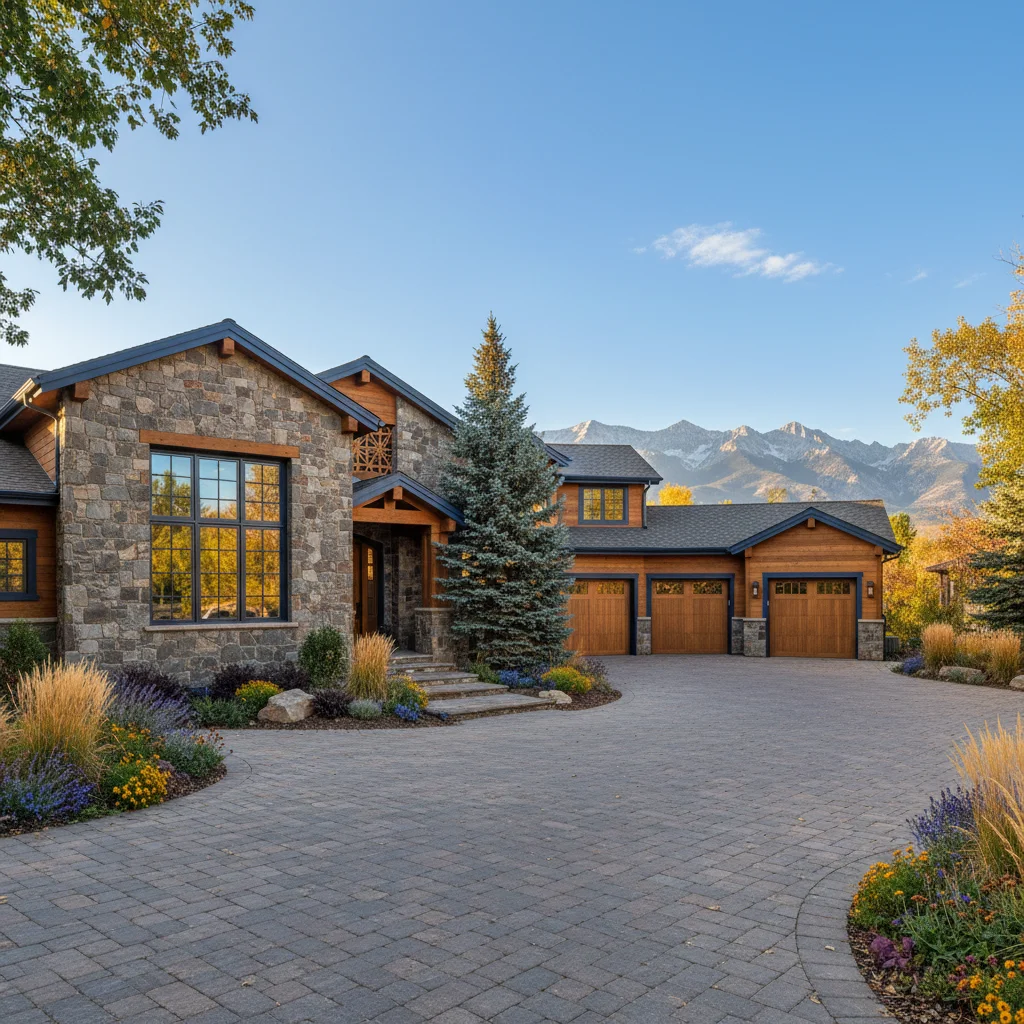
Lone Tree is a young, master-planned city, and that history is written into its kitchens. Most of the housing stock went up in the building boom of the late 1990s through the 2010s, in planned communities laid out around the retail and medical anchors that define the area — Park Meadows mall to the north, the Bluffs Regional Park open space rolling across the eastern edge, Sky Ridge Medical Center, the Lone Tree Golf Club and arts center, and the newer, denser RidgeGate development knitting the light-rail stations into the city’s east side. These were homes built in an era when a Sub-Zero column and a Wolf range had become the expected centerpiece of an upscale kitchen — which is exactly why this corner of the south metro holds such a concentrated pocket of premium, built-in installations.
From a repair standpoint, a few patterns define the work here:
- RidgeGate and the newer east-side builds tend toward fully integrated, panel-ready packages specified during construction — a Sub-Zero column, a separate freezer, a Wolf range or rangetop, double wall ovens, and a paneled wine cabinet, all flush behind cabinet fronts that match the room. The access points disappear into the millwork, and careless service work shows.
- Heritage Hills and Heritage Estates, west of I-25, hold larger established custom homes — many with kitchens updated over the years, where we sometimes find current high-end refrigeration feeding off gas runs or electrical from an earlier phase of the house.
- Wine and beverage storage shows up here far more than in a typical metro neighborhood. Dual-zone wine columns, under-counter coolers, and butler’s-pantry beverage centers come standard in the larger Lone Tree kitchens and their finished lower levels, and each carries its own failure modes.
- Multi-zone, multi-appliance kitchens — a fresh-food column, a separate freezer, drawer refrigeration in the island, plus a pro range and wall ovens — mean more compressors, more fans, more control logic, and more places for a fault to hide.
What defines Lone Tree isn’t a single appliance type. It’s the density of premium built-in equipment per kitchen, packed into homes new enough that the whole suite was designed together. We service all of it — built-in and integrated refrigerators, wine and beverage centers, freezers and ice makers, pro ranges and cooktops, wall ovens and warming drawers, and dishwashers, with particular attention to the brands these kitchens were built around. Our focus is the high end: Sub-Zero and Wolf above all, alongside the other premium and integrated lines that fill out a Lone Tree kitchen.
Get it fixed
The pricing is deliberately simple. The diagnostic service call is $89, it covers a full on-site inspection and an accurate diagnosis, and it’s credited toward the repair the moment you approve the work. The repair price itself comes only after we’ve seen the appliance — Lone Tree kitchens hold too wide a spread of equipment for an honest phone estimate — and the number you approve is the number you pay. Nothing is added later.
Scheduling is just as direct:
- Call (720) 770-4189. The line is answered 24/7, so you reach a real person whenever the problem surfaces — late night, early morning, weekend, or holiday.
- Or book online any time that suits you.
- Repairs are performed daily, 8:00 AM to 6:00 PM. When you book, we confirm a window and check any access details — a panel-ready built-in, a wine cabinet in the basement, custom cabinetry around the unit.
- Same-day and next-day appointments are typical across Lone Tree and the wider south metro. If a fridge or freezer has stopped cooling and food or a wine collection is on the line, say so when you call and we’ll prioritize the visit.
A premium appliance left limping doesn’t get cheaper to fix — it gets more expensive, and it works the compressor harder every day it waits. Ready to get a built-in fridge, wine column, Wolf range, or oven back in service? Call (720) 770-4189 or book online today. A real person answers any hour, the $89 diagnostic is credited toward your repair, and same-day and next-day appointments are available throughout Lone Tree.