Why a built-in fails in a Littleton kitchen
A premium appliance breaking down in Littleton isn’t the same problem as a basic fridge quitting in an apartment, and treating it that way is how a repair goes sideways. The equipment in these homes is engineered as a system — a sealed refrigeration loop holding a tight set point, a control board juggling multiple temperature zones, a wine column expected to keep two compartments at two different temperatures, year after year, without drift. When one piece of that slips, the right move isn’t to swap whatever looks worn. It’s a diagnosis: trace which component in the chain actually failed, confirm it, and only then talk price.
That matters in Littleton specifically because of how varied the kitchens are. In one house off Main Street you’ll find a built-in column squeezed into a footprint that started life around a 1920s icebox. Ten minutes away in the foothills, a newer build arrives with a 48-inch dual-fuel range, a panel-ready refrigerator, a separate freezer drawer stack, and a wine cabinet wired into the island — all specified during construction. Two very different jobs, two very different access plans, and only one thing they share: each is a precision machine that rewards a technician who understands how it’s supposed to behave before deciding what’s wrong with it.
So every Littleton call runs in the same order. Understand the appliance, isolate the genuine fault, then give a clear, up-front price before any work starts. The $89 diagnostic service call covers that inspection and is credited toward the repair if you go ahead. No phone guesses on equipment we haven’t laid eyes on, and no number that grows after the work is done.
A town of two kitchens: historic Main Street and the foothills builds
Littleton has a sense of itself that most of the Denver metro doesn’t. Its historic downtown — the Main Street district, the old depot, the Littleton Museum’s working living-history farms — anchors a stretch of late-1800s and early-1900s homes that have been lovingly kept and, over time, quietly modernized inside. Push west and southwest toward Ken Caryl Ranch, Roxborough, and the rising ground beneath the hogback, and the housing flips to a different era entirely: larger lots, newer custom construction, and the kind of square footage that lets a kitchen sprawl. The South Platte threads through it all, and the foothills frame the western horizon.
For appliance repair, those two worlds converge on a single fact: Littleton’s bigger kitchens favor built-in refrigeration and dedicated wine storage. That’s the through-line that makes this a premium-appliance town rather than a basic-appliance one.
- Historic homes near Main Street often hide a thoroughly rebuilt kitchen behind a century-old facade. Owners pull out a back wall, reclaim a pantry, and drop a modern Sub-Zero column into a footprint the house was never designed to carry. The appliance is current; the structure around it is old, which means we sometimes find a new range feeding off a gas run or electrical service that predates it by decades.
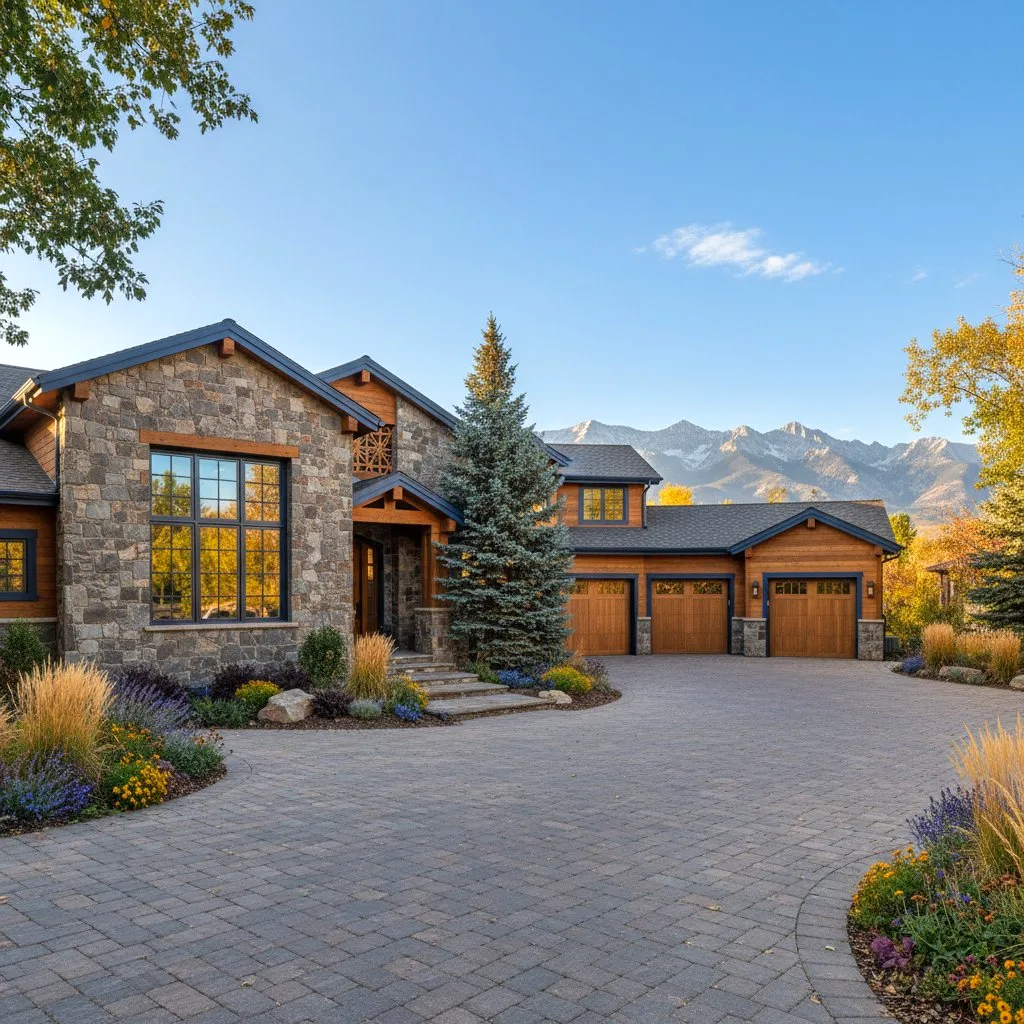
- Foothills and Ken Caryl custom builds arrive with fully integrated, panel-ready refrigeration, paneled wine columns, and pro-style ranges chosen during the build. These installs sit flush behind custom cabinet fronts, seamless and unforgiving of careless service work — the access panels disappear into the millwork.
- Wine and beverage storage shows up here far more than in a typical metro neighborhood. Larger entertaining kitchens and finished basements in the foothills routinely include a dual-zone wine cabinet, a beverage column, or an under-counter cooler, and each brings its own failure modes.
- Multi-zone refrigeration — a fresh-food column, a separate freezer, drawer refrigeration in an island — is common in the newer builds, which means more compressors, more fans, more control logic, and more places for a fault to hide.
We service every part of that spectrum. What defines Littleton from a repair standpoint isn’t one appliance type — it’s the way a single town spans tiny historic remodels and big foothills kitchens, both of them stocked with serious built-in equipment, and both expecting whoever shows up to actually know the platform.
Denver factors first: altitude, hard water, and dry air
Most of the repair advice floating around online was written for sea-level kitchens, and Littleton is anything but. The town climbs along the southwest edge of the metro toward the foothills, sitting at and above Denver’s mile-high mark — and elevation isn’t a slogan here, it’s a variable in nearly every diagnosis we make.
Thin air at roughly 5,280 feet — and higher as you climb west. The atmosphere is about 15% less dense than at the coast, and refrigeration lives or dies on moving air to shed heat. Condensers and cooling fans push that thinner air, so a built-in fridge or wine column that’s even slightly dusty or a touch short on clearance starts struggling to reject heat sooner than the identical unit would near an ocean. Refrigerant charge and compressor heat rejection both respond to that thinner atmosphere. It’s exactly why a service manual written for a humid Midwestern town can steer a technician wrong in a Littleton kitchen — and why a tightly packed built-in here can run warm without any one part being obviously “broken.”
Combustion shifts on every gas appliance. Less-dense air carries less oxygen per cubic foot, which changes how a gas range, cooktop, or oven actually burns. The orifice sizing and air-to-fuel mixture dialed in at sea level can throw lazy, yellow-tipped, or sooty flames at this altitude — and Littleton’s foothills homes sit high enough that the effect is pronounced. When a pro range suddenly burns unevenly out here, the cause is frequently combustion-and-altitude rather than a failed burner, and that’s something we can correct rather than replace.
Hard water and a bone-dry climate. Denver-area water tends to run hard, commonly in the 150 to 250 ppm range, and that mineral load is rough on ice makers, dishwasher internals, and the thin water lines feeding built-in refrigerators and in-door dispensers. It’s the leading reason ice production tails off, or cubes come out cloudy and undersized, in Littleton kitchens. On top of that, Colorado’s very dry air and intense high-altitude UV harden and crack door gaskets faster than a humid region ever would — and a seal that’s stopped sealing lets warm air leak in, makes the compressor run longer, and drives the whole system harder. That shows up first on wine cabinets, where a tired gasket reads as temperature drift before it looks like anything at all. We check seals on every refrigeration and wine-storage diagnosis for precisely that reason.
These are the variables a sea-level playbook skips. For us, serving the Denver metro since 2012, they’re baked into how every Littleton appliance gets diagnosed.
How we diagnose a repair, step by step
A sound diagnosis is methodical. Guessing on a sealed system or a calibrated gas burner is how a one-trip fix turns into a repeat headache, so we work in a deliberate sequence on every Littleton visit:
- Confirm the model and serial. Every diagnosis begins by identifying your exact unit. The correct parts, specs, and service procedure all flow from this — and on a built-in retrofitted into an older Main Street home, the model isn’t always obvious at a glance.
- Read the symptom against the system. We separate the thing you noticed from the failure underneath it. “It’s warm” is a symptom; a stalled condenser fan, a clogged condenser, a worn start relay, or a sealed-system leak are causes — and each is a different repair at a different price.
- Inspect the install and the access. Whether the unit sits in a tight historic remodel or behind flush custom panels in a foothills build shapes the entire job. We map the pull and plan how to protect the cabinetry and flooring before anything moves.
- Test airflow, temperatures, and the sealed circuit. We measure actual cabinet temperatures, check fan operation and defrost behavior, and — where the symptoms point that way — read the sealed refrigeration loop, interpreting the numbers the way they behave at altitude rather than at sea level.
- Check the supply side. Water lines, gas pressure, and electrical feeds all get a look, because in a century-old house with a brand-new kitchen the real problem is sometimes upstream of the appliance entirely.
- Explain the fault and quote it up front. Once we know the true cause, you get a plain-language account and a firm price before any work begins. The number you approve is the number you pay.
Components and appliances we service in Littleton
Across Littleton’s historic remodels and its newer foothills kitchens, here’s what we regularly handle and the parts that most often need attention:
- Built-in and integrated refrigerators — full-height columns, under-counter drawers, and panel-ready units, including the retrofitted installs common in older Main Street homes.
- Wine and beverage centers — dual-zone wine columns, beverage cabinets, and under-counter coolers, with their thermoelectric modules, compressors, fans, and brittle dry-climate gaskets.
- Freezers and ice makers — fill valves, water lines, molds, and the scale-driven failures the hard local water keeps causing.
- Pro ranges, cooktops, and rangetops — gas and dual-fuel, with close attention to altitude-affected combustion, igniters, and orifice sizing.
- Wall ovens and built-in ovens — bake and broil elements, igniters, temperature sensors, and control boards that drift off their set point.
- Dishwashers — drain pumps, sumps, spray arms, and the mineral scale that hard water leaves behind on the internals.
The faults that bring us out to Littleton most often: a built-in fridge that slowly warms, frost stacking up on the freezer’s back wall, a compressor that never cycles off, ice makers that jam or shrink their cubes, a wine column that won’t hold its set temperature, gas burners burning weak and yellow, an oven that overshoots its dial, water pooling under a unit, and control panels throwing error codes. If your symptom isn’t on the list, it still belongs on the phone with us — these are the patterns, not the boundaries.
Why a specialist, not a general handyman
It’s a fair question, so here’s the honest answer: the equipment in a Littleton kitchen punishes generalists. A built-in refrigeration column behaves nothing like a freestanding fridge from a big-box store — its sealed system, control logic, and airflow design are specific, and a technician who doesn’t know the platform tends to throw parts at the symptom. That’s slow, it’s expensive, and it usually leaves the underlying fault in place.
The installs compound it. In a foothills custom build, your refrigeration sits flush behind paneled fronts and your wine cabinet is framed into millwork; in a historic remodel, a built-in is wedged into a footprint the house never planned for. Either way, pulling the unit forward to reach a condenser or compressor is a careful operation, not a yank — do it wrong and you’ve damaged a cabinet front that cost real money. We plan the access deliberately and protect the surfaces around the work.
Parts and making the repair hold
A premium appliance is engineered as one interlocking system — a sealed refrigeration loop, a precise control board, and a set of airflow and water paths that all depend on each other. Drop in a generic substitute and you can be chasing the same fault again within a year. That’s why we fit OEM-grade and manufacturer-compatible parts from verified suppliers, matched to your specific model and serial number.
In Littleton it matters double, because a second visit means navigating the same tight historic cabinetry or the same flush foothills panels all over again. Getting the right part in on the first trip isn’t only about reliability — it’s about not disturbing a remodel, or a brand-new custom kitchen, twice. We’d rather take the time to source the correct component than rush a stand-in that brings us back.
When the technician finishes, you get a straight account of what failed, what was replaced, and why — not a vague line on an invoice. If an older or less-common unit needs a part ordered, we tell you on the first visit and set a clear expectation for the return.
Same-day scheduling across Littleton
Booking is simple, and we’ve built it around how this part of the metro actually lives:
- Call (720) 770-4189. The phone is answered 24/7, so you reach a real person whenever the problem surfaces — late at night, early morning, weekend, or holiday.
- Or book online any time that suits you.
- Repairs are performed daily, 8:00 AM to 6:00 PM. When you book, we confirm a window and check any access details — a retrofitted built-in, a tight historic galley, custom cabinetry around the unit, or a note about a long foothills driveway.
- The $89 diagnostic service call covers a full on-site inspection and is credited toward your repair.
We’ve served the Denver metro since 2012, and Littleton — with its historic Main Street homes and its larger foothills kitchens, both running on serious built-in refrigeration and wine storage — is exactly the kind of work we’re built for.
Ready to get a built-in fridge, wine column, pro range, or oven back in service? Call (720) 770-4189 or book online today. The line is answered 24/7, repairs run daily from 8:00 AM to 6:00 PM, and same-day and next-day appointments are available throughout Littleton and the southwest Denver metro.