When the most expensive thing in your kitchen stops cooling
It usually starts quietly. You reach into the Sub-Zero column for the marinade you set aside last night, and the shelf feels closer to room temperature than to the crisp chill it held a week ago. The compartment is still humming, the interior light still glows, but the cheese has gone soft and the produce drawer smells off. In a Country Club kitchen that may mean a forty-eight-inch built-in worth more than a small car is slipping out of spec — and the instinct to wait and see is exactly the instinct that turns a fan motor into a spoiled refrigerator full of food.
That is the moment most of our Country Club calls begin. The reassuring news is that a warming built-in rarely means the worst. The frustrating news is that “warming” can point to half a dozen entirely different faults, each with its own fix and its own cost. Our job is to tell those apart before anyone touches a part, then hand you a clear, up-front price. The $89 diagnostic service call covers that inspection and is applied toward the repair if you decide to go ahead.
Overview: a neighborhood built around premium kitchens
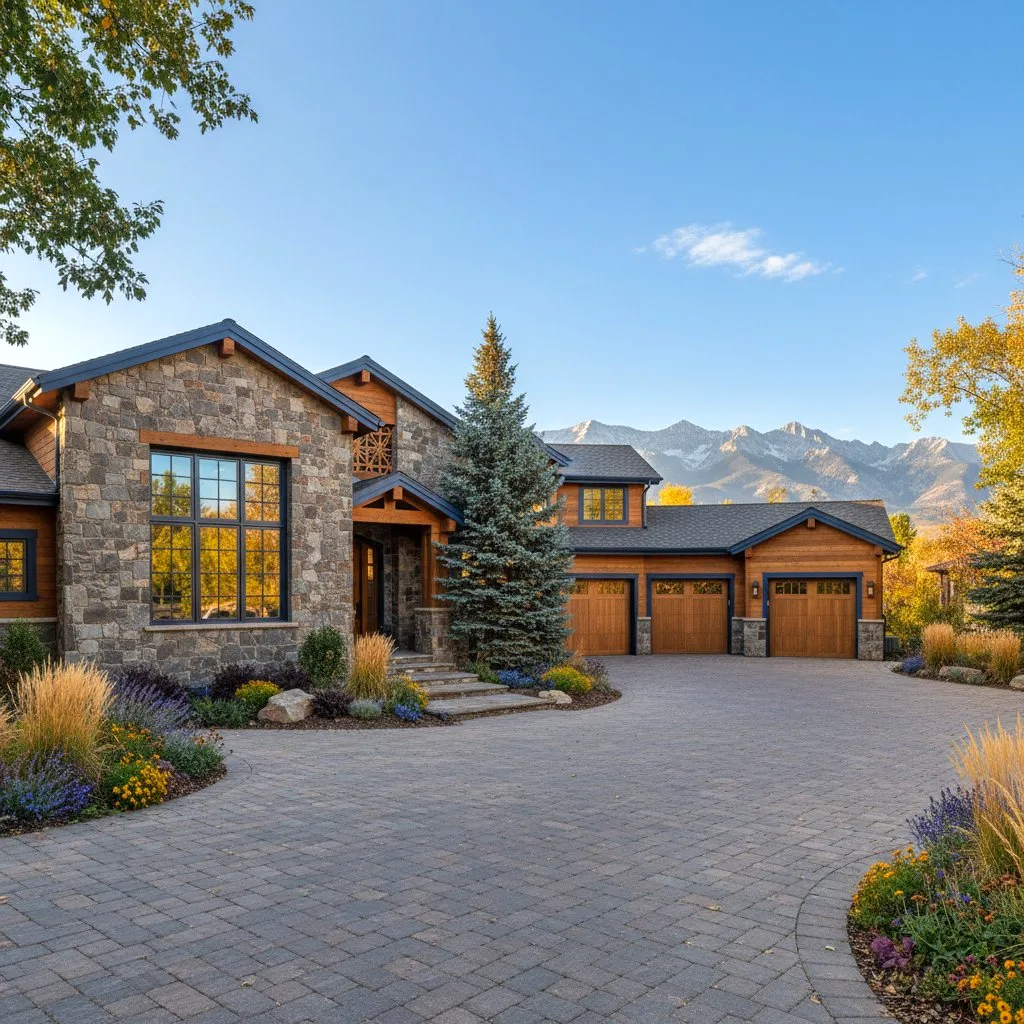
Country Club is one of Denver’s most storied addresses, and it wears that history in its housing stock. The neighborhood grew up around the Denver Country Club itself — the private course and clubhouse founded at the turn of the last century — and the estates that line its edges were built to match. Broad lots, formal gardens, brick and stucco mansions, Tudor and Georgian revivals, and meticulously restored interiors define the streets between Downing and University, north of Cherry Creek and south of the Cheesman Park bluff.
What makes this pocket of central Denver distinctive for appliance work is not just the wealth of the homes — it is the concentration of professional-grade equipment inside them. Country Club holds one of the metro’s highest densities of full Sub-Zero and Wolf installations: paired refrigerator-freezer columns, undercounter drawers tucked into butler’s pantries, dual-fuel ranges with sealed burners and infrared broilers, wine-storage columns kept at precise dual-zone temperatures, and integrated dishwashers hidden behind cabinet panels. These are not appliances anyone bought casually. They were specified during gut renovations of homes that, in many cases, predate refrigeration entirely.
That collision — twenty-first-century cooling and combustion technology fitted into kitchens framed by century-old construction — is the defining challenge of repairing appliances here. The unit is modern and serviceable. The cabinetry, the plaster, the original hardwood, and sometimes the stone surround are irreplaceable. A repair done right respects both.
What we see across Country Club kitchens
The neighborhood’s homes fall into a few recognizable patterns, and each shapes how a repair has to be approached:
- Grand estate kitchens off the golf course. These are the showpiece renovations — wide ranges, multiple refrigeration zones, and wine columns built flush into custom millwork. Service panels are often boxed in by surrounding cabinetry, so reaching a condenser or control board takes planning rather than brute force.
- Restored historic mansions along Race, Vine, and Gilpin. Current Sub-Zero and Wolf equipment frequently lives behind period-correct woodwork and panel-ready fronts. The appliance is new; the cabinetry around it is a century old and not something to be scuffed or pried.
- Butler’s pantries and secondary prep zones. Many estates here have a second cluster of refrigeration drawers, ice machines, or beverage units in a pantry or bar area — equipment that gets less attention and tends to fail quietly.
- Updated carriage houses and guest quarters. Some properties carry compact built-in installs in detached or upper-level spaces, where access is tighter and a careful, well-planned visit matters most.
The thread running through all of it is the same: premium appliances installed into homes that demand a careful hand. That is specialist work, not handyman work.
Common problems we diagnose in Country Club
Across the neighborhood’s estates, pantries, and restored kitchens, a recognizable set of failures comes up again and again. Here is what we most often find:
- A built-in column that drifts warm. Frequently a dust-choked condenser, a failed evaporator or condenser fan, a tired start relay, or — less often — a sealed-system refrigerant fault. In a flush install boxed into cabinetry, condensers load up with dust fast because airflow around the unit is already restricted.
- Frost or ice creeping across the freezer’s back wall. Usually a defrost heater, a defrost sensor, or a control board mistiming the defrost cycle.
- A compressor that never cycles off. Often a fouled condenser, a weak fan, or a door gasket that has stopped sealing — something the dry Denver air tends to bring on early.
- A wine column that will not hold its set temperature or drifts between zones. Common in Country Club given how many homes specified dedicated wine storage; usually a sensor, a fan, or a control fault, occasionally a sealed-system issue.
- Ice makers that slow, jam, or turn out cloudy, undersized cubes. Very common here, and almost always tied to the hard local water and the scale it leaves behind.
- A Wolf range or cooktop burning lazy, yellow-tipped, or uneven flames. This is frequently an altitude-and-combustion matter rather than a broken burner — more on that below.
- An oven that will not hold its set temperature. Igniter, temperature sensor, or control-board faults are the usual suspects.
- Water pooling beneath a refrigerator or integrated dishwasher. Often a blocked defrost drain, a cracked drain pan, or a scaled-up water line.
- Control panels throwing error codes. Sensor faults or a board that needs reprogramming or replacement.
Services we offer in the neighborhood
Within Country Club, the work we handle regularly includes:
- Built-in and integrated refrigerator repair — full-height columns, undercounter drawers, and panel-ready units.
- Freezer and ice maker repair, including the scale-and-water problems that dominate here.
- Wine and beverage column service — dual-zone temperature, sealed-system, and control faults.
- Range, cooktop, and rangetop repair — gas and dual-fuel, with close attention to altitude-affected combustion.
- Wall oven and built-in oven repair — temperature, igniter, and control issues.
- Integrated dishwasher repair, where hard-water scale and drain faults lead the list.
Our diagnostic process
A premium appliance hides a lot of its information, so we do not guess. The visit follows a deliberate sequence built to separate the real cause from the symptom that is easiest to see:
- We listen to the history first. When did it start, what changed, what sounds or smells came with it. A column that warmed overnight and a column that has been creeping warm for a month often point to different faults.
- We confirm the model and serial. Every diagnosis and every part is matched to your exact unit, because a fix that fits one Sub-Zero generation may not fit the next.
- We test the system, not just the part. Refrigeration is a sealed loop tied to airflow, defrost timing, and door seals; a range is a combustion-and-control system. We read temperatures, check airflow and condenser condition, verify fan and compressor behavior, and pull any stored error codes before forming a conclusion.
- We isolate the true cause. A warming built-in might be a clogged condenser, a failed fan, a relay, or a sealed-system problem — three or four very different repairs at very different costs. We identify which one it actually is.
- We quote up front. You get a plain explanation of what failed and a clear price before any work begins. The $89 diagnostic is credited toward that repair if you proceed.
The point of moving in this order is to avoid the cycle every homeowner dreads — a part swapped on a hunch, the same fault returning, and a second visit that means navigating the same boxed-in install all over again. In Country Club, where access is often the hardest part of the job, getting the diagnosis right the first time is worth far more than a fast one.
Denver-specific factors that change how these appliances behave
Country Club sits at Denver’s mile-high elevation, and altitude is not a marketing flourish here — it genuinely alters how refrigeration and combustion perform. At 5,280 feet, the air is roughly 15% thinner than at sea level, and several things follow from that:
- Refrigeration rejects heat differently. Condensers and cooling fans push less-dense air, so a built-in that is even slightly dusty or short on clearance — precisely the situation in a flush Country Club install — begins to struggle here sooner than the identical unit would near the coast. Refrigerant charge and compressor heat rejection are both sensitive to that thinner air, which is why a sea-level diagnosis can miss what is really happening in a Denver kitchen.
- Gas combustion shifts at altitude. Less oxygen per cubic foot changes how a Wolf range, cooktop, or oven burns. Orifice sizing and the air-to-fuel mixture dialed in at sea level can produce lazy, yellow-tipped, or sooty flames at 5,280 feet. A burner that looks broken is sometimes a combustion-and-altitude condition we can correct rather than a failed component.
Then there is the water. Denver’s supply tends to run hard, commonly in the 150 to 250 ppm range, and that mineral content is hard on ice makers, dishwasher internals, and the slim water lines feeding built-in refrigerators and wine columns. It is one of the leading reasons ice production drops off, cubes turn cloudy and small, or a dishwasher leaves film behind in this part of Denver.
Finally, Denver’s very dry climate and strong UV age door gaskets and seals faster than a humid environment would. A gasket that hardens and cracks lets warm air seep in, which makes the compressor run longer and the whole system work harder — and on a wine column, a tired seal can quietly cost you the precise temperature you paid for. We inspect seals as part of every refrigeration diagnosis specifically because the local climate wears them out early.
Taken together, these are the factors a sea-level repair playbook tends to overlook — and they are built into how we approach every appliance in Country Club.
Brands and related equipment we service
Country Club kitchens lean heavily toward two names, and they tend to travel together. Sub-Zero covers the refrigeration side — built-in columns, French-door and side-by-side built-ins, undercounter refrigerator and freezer drawers, and the wine-storage columns so many estates here specified. Wolf covers the cooking side — dual-fuel and gas ranges, rangetops, cooktops, wall ovens, and the infrared broilers and griddles that came with them. Because these systems were usually installed as a coordinated suite during a single renovation, we frequently look at more than one piece of equipment on a single visit.
We also service the integrated dishwashers, ice machines, and beverage units that round out a high-end kitchen, including panel-ready models that disappear behind matching cabinet fronts. Whatever the badge, the approach is the same: match the part to your exact model and serial, and fit OEM-grade or manufacturer-compatible components from verified suppliers rather than generic substitutes that tend to bring you back. In homes where a second visit means disturbing the same fine cabinetry twice, getting the right part in the first time is not just about reliability — it is about not opening up the kitchen more than once.
Booking a Country Club repair
We have made booking straightforward and shaped it around how this neighborhood actually lives:
- Call (720) 770-4189. The phone is answered 24/7, so a real person picks up whenever the problem surfaces — late at night, early morning, or over a weekend.
- Or book online at any hour that suits you.
- Repairs are performed daily, 8:00 AM to 6:00 PM. We confirm a window and review any access details — a flush-mounted column boxed into cabinetry, a butler’s pantry tucked off the kitchen, gated or estate parking, or millwork that needs protecting while we work.
- The $89 diagnostic service call covers a full on-site inspection and is applied toward your repair.
We have served the Denver metro since 2012, and Country Club — with its concentration of professional-grade Sub-Zero and Wolf kitchens inside historic estates — is exactly the kind of work we are built for. There is no pressure and no guesswork: you get a clear diagnosis, an honest up-front price, and parts chosen to make the repair last.
Ready to get a built-in fridge, wine column, or Wolf range back in service? Call (720) 770-4189 or book online today — same-day and next-day appointments are available across Country Club and central Denver.